top of page
Study Abroad | Milan, Italy | January 2026 - May 2026



My Goals and Expectations
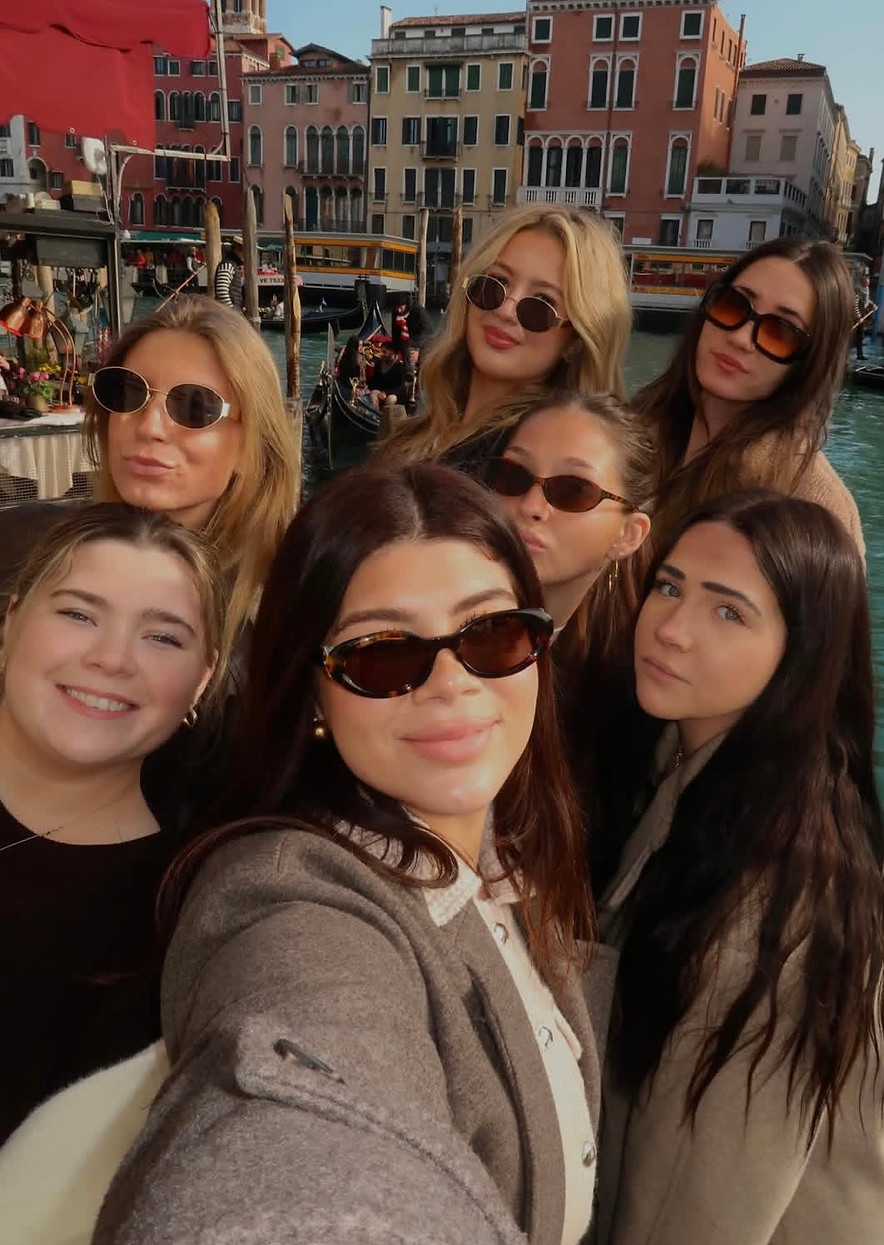
From January 19th to May 11th, 2026, I had the opportunity to live, study, and work in Milan through IES Abroad’s exchange program. My biggest goals going into this experience were to strengthen my Italian language fluency, assimilate into a new culture, make new friends, gain practical experience, and grow in my understanding of myself and the world. I expected these goals to define my experience abroad, and in many ways they did, but not as independently as I had imagined. Living in Milan made it difficult to separate language from culture, work from relationships, or travel from education. By the end of the semester, I found that the most valuable part of studying abroad was the intersection of all of these experiences and the perspective that came from building a life somewhere other than the United States.
Finding a Home in Milan: Cultural Assimilation and Everyday Life
I had been to Italy before, but living there was entirely different from visiting. There is a point when the novelty of being abroad begins to fade and a place starts to become part of your everyday life. I stopped thinking about taking the metro as navigating a foreign transportation system; it was simply how I got where I needed to go. I became familiar with the streets around me, developed favorite restaurants and cafés, and gradually became more comfortable speaking Italian without first constructing every sentence in my head.
Milan became less of a destination and more of a home. That transition was probably the clearest indication that I had accomplished my goal of assimilating into another culture. My understanding of cultural assimilation also changed. Initially, I thought of it primarily as adapting: learning the language, understanding social expectations, and becoming comfortable with a different way of life. I eventually realized that living within another culture also makes you much more conscious of your own. The differences between Italy and the United States were often found in ordinary things—the pace of a meal, the way people used public spaces, the reliance on public transportation, or the expectation that coffee was something you stopped to drink rather than carried with you. None of these differences individually felt significant, but together they reflected a different relationship with time and daily life.
Italian Food Culture: Learning to Value Presence Over Efficiency
Food was one of the clearest examples of these cultural differences. Italian food is obviously one of the country's most recognizable cultural exports, but living there gave me a different appreciation for it. What interested me was less the food itself than the culture surrounding it. Meals had a social significance that could be lost when Italian cuisine was separated from its context. Aperitivo, long dinners, or even stopping for an espresso created space for conversation and community. In the United States, efficiency often shapes how we eat; we eat on the way somewhere, take coffee with us, or schedule meals around everything else we need to accomplish. Italy was not somehow free from busy schedules, but I became more conscious of the value placed on being present for certain parts of the day. It made me question how easily efficiency becomes synonymous with improvement when sometimes efficiency removes the very experience that gives an activity meaning.
Professional Growth: My Internship with WEP
Some of my most meaningful experiences came through my internship with WEP, where I worked in marketing and communications. The internship gave me the practical experience I had hoped to gain, but it also brought me into spaces I would not have encountered as an American student living primarily among other students. One of those experiences was a visit to a school in Alessandria. The students were immediately curious about me and incredibly welcoming. They offered to show me around their school, asked questions about my life in the United States, and wanted to exchange social media so we could stay in contact. What stayed with me was how little effort it actually took to connect with them. On paper, we came from different countries, spoke different first languages, and had grown up within different cultures. In person, those distinctions became much less important. There was genuine curiosity on both sides, and the interaction felt remarkably natural. It is easy to discuss cultural differences in the abstract because countries can seem like distinct categories from a distance. Personal relationships complicate those categories. The more people I met abroad, the harder it became to reduce any culture to a collection of generalizations.
Seeing America from Abroad: Identity, Politics, and Cultural Assumptions
At the same time, I became increasingly aware of the generalizations people made about me. I was often asked about American politics, particularly Donald Trump. I found it interesting that politics was one of the primary ways people engaged with my identity as an American. Some Italians knew a surprising amount about American political life and were genuinely interested in hearing my perspective. Their questions also placed me in the strange position of being treated, even briefly, as a representative of a country far too large and divided for any one person to represent. Those conversations made me consider the United States from an outside perspective in a way I rarely have to at home. When you live within your own culture, many of its assumptions are almost invisible because there is no reason to explain them. Abroad, I was regularly asked to explain things I had never thought required explanation.
I became more aware of how much of what I consider “normal” is actually cultural. I also became more careful about doing the same thing to other people. If I did not want someone to assume that my nationality determined my politics, values, or worldview, then I could not reasonably make those assumptions about Italians, Moroccans, Spaniards, or anyone else I encountered.
Traveling Beyond Italy: Expanding My Perspective
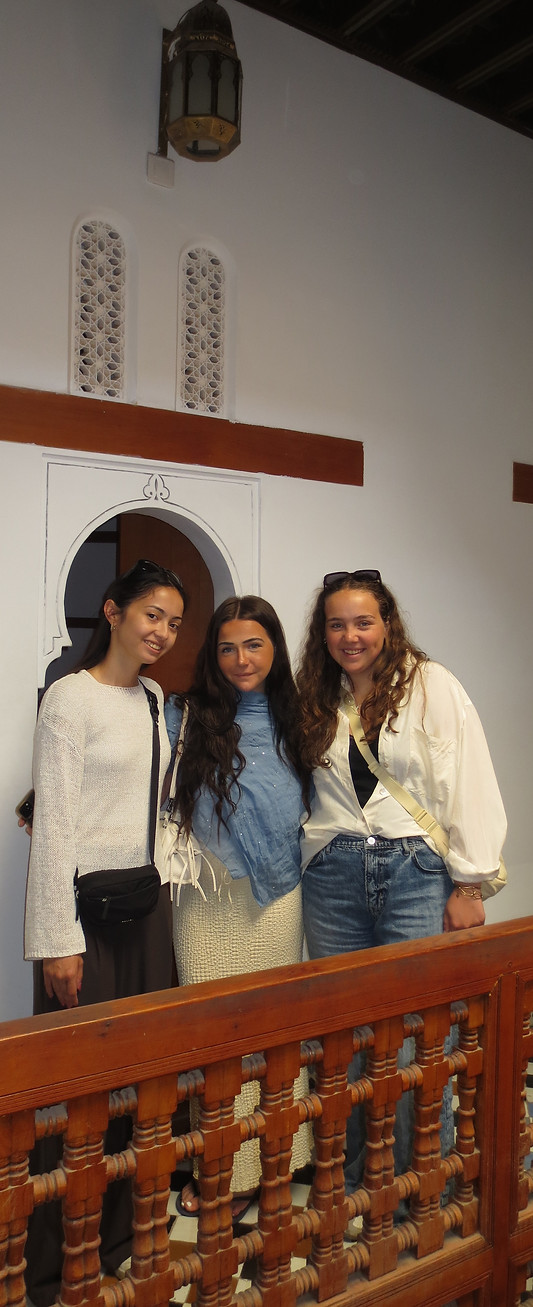
Travel reinforced that idea throughout the semester. Milan gave me access not only to different regions of Italy, but also to Spain, France, the Czech Republic, Switzerland, Monaco, and Morocco. Before studying abroad, I thought of travel primarily in terms of seeing new places. After doing so much of it in a relatively short period of time, I became more interested in what traveling reveals about the assumptions I bring with me. Morocco, my favorite trip of the semester, made this especially apparent. It was more culturally unfamiliar to me than many of the European countries I visited, and that unfamiliarity was part of what made it so memorable. I had to observe more closely because I had fewer reference points. Rather than making the experience uncomfortable, that made me more curious and more willing to step outside of my comfort zone and dive into such a rich and vibrant culture.
Personal Growth: Reflecting on My Original Goals
When I left Milan on May 11th, I had accomplished most of the goals I had written for myself before going abroad. My Italian had improved, I had adapted to another culture, formed new relationships, gained professional experience, and traveled farther and more independently than I had before. What changed most was my understanding of the final goal: to grow in my understanding of myself and the world. I initially imagined that growth as gaining knowledge; learning more about Italy, seeing more countries, becoming better at Italian. Instead, much of it came from becoming more aware of the limits of my own perspective.
The Lasting Impact of My Semester Abroad
Living abroad did not make the world feel simpler or necessarily easier to understand. If anything, it did the opposite. Countries that once existed in my mind as broad cultural ideas became more complicated after I met the people who lived there. Milan became more than “Italy,” Morocco became more than a destination, and being American became something I could examine from outside of the United States. I returned home with more confidence in my ability to move through unfamiliar environments, but also with a greater willingness to admit when something is unfamiliar to me. That combination of independence and curiosity is probably the most lasting thing I took from my semester abroad.
bottom of page